

Vision Therapy Instruments and Their Role
Vision Therapy Instruments and Their Role in Diagnosis and Therapy

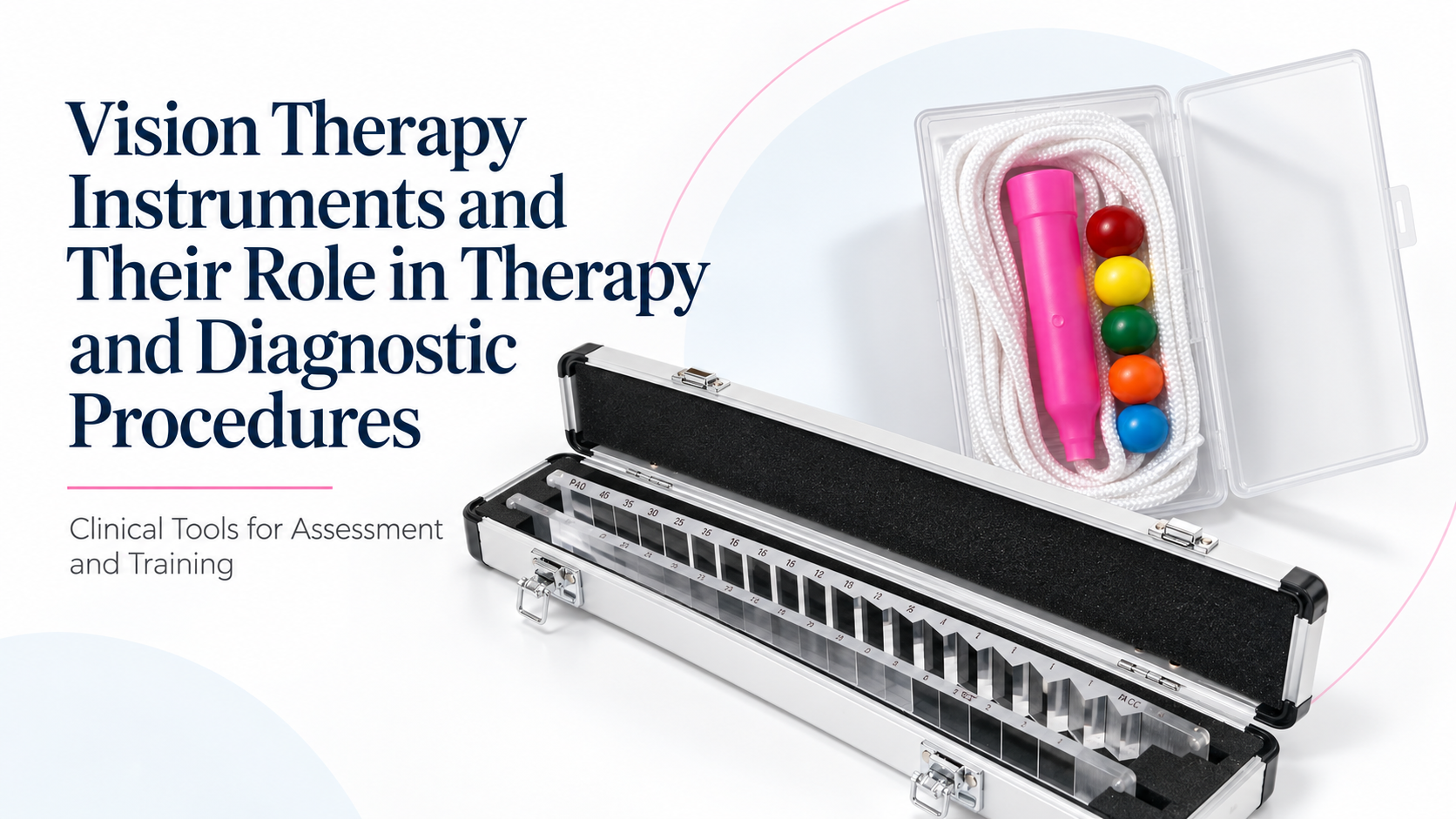
Vision therapy uses different instruments to check and improve how the eyes work together. Some instruments are mainly used for diagnosis, while others are used during therapy to improve convergence, accommodation, eye movement, binocular vision, depth perception, suppression and eye-hand coordination.
Below are some commonly used vision therapy instruments and their main uses.
1. Stereoacuity Chart
A Stereoacuity Chart or Stereoacuity Card is a clinical test used to measure stereopsis, also called 3D vision or depth perception.
It measures the smallest binocular difference a person can detect, usually expressed in seconds of arc.
Main uses:
- Measures stereoacuity and depth perception
- Checks binocular vision and fusion
- Helps screen for binocular vision problems
- Helps monitor progress during treatment
2. Brock String
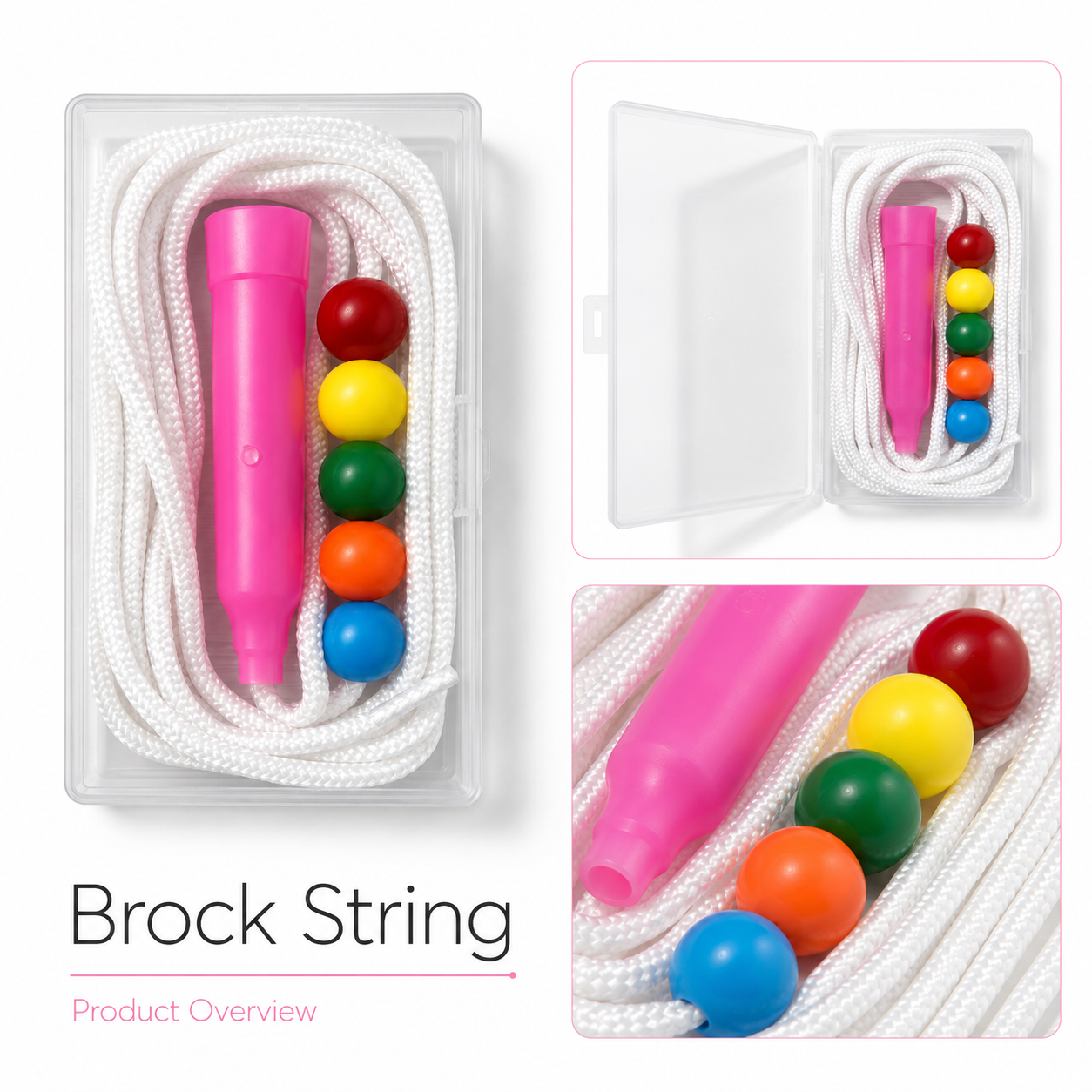
The Brock String is a simple but very useful tool used in both vision therapy and binocular vision assessment.
It consists of a string with colored beads placed at different distances. The patient looks from one bead to another and learns to control convergence and divergence.
Main uses:
- Convergence exercises
- Divergence exercises
- Improves binocular vision
- Develops awareness of physiological diplopia
- Improves fixation accuracy
- Helps reduce suppression
- Improves vergence control
![Brock String]()
3. Worth Four Dot Test
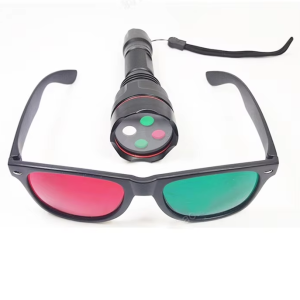
The Worth Four Dot Test is a clinical instrument used to check binocular single vision, suppression and diplopia.
The test is usually performed with red-green glasses.
Main uses:
- Checks binocular fusion
- Detects suppression
- Helps detect diplopia
- Helps assess binocular vision
- May help in the evaluation of microtropia
4. Prism Bar
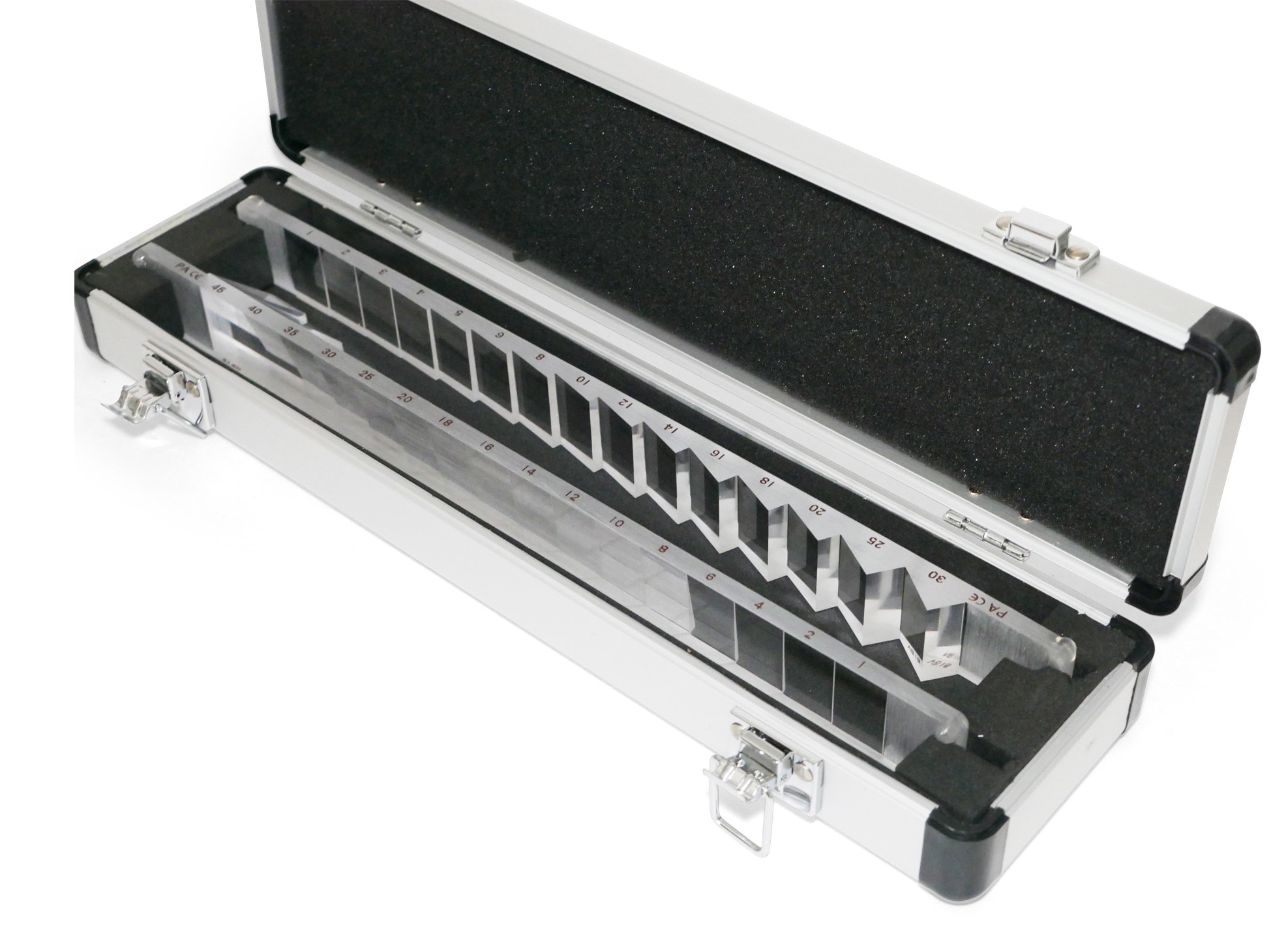
A Prism Bar contains prisms of increasing power and is available in horizontal and vertical forms.
It is commonly used to measure eye deviation and assess vergence.
Main uses:
- Measures ocular deviation
- Used during prism cover testing
- Measures fusional vergence
- Checks blur, break and recovery
- Helps assess diplopia
- Helps in prism assessment
5. Loose Prism Set
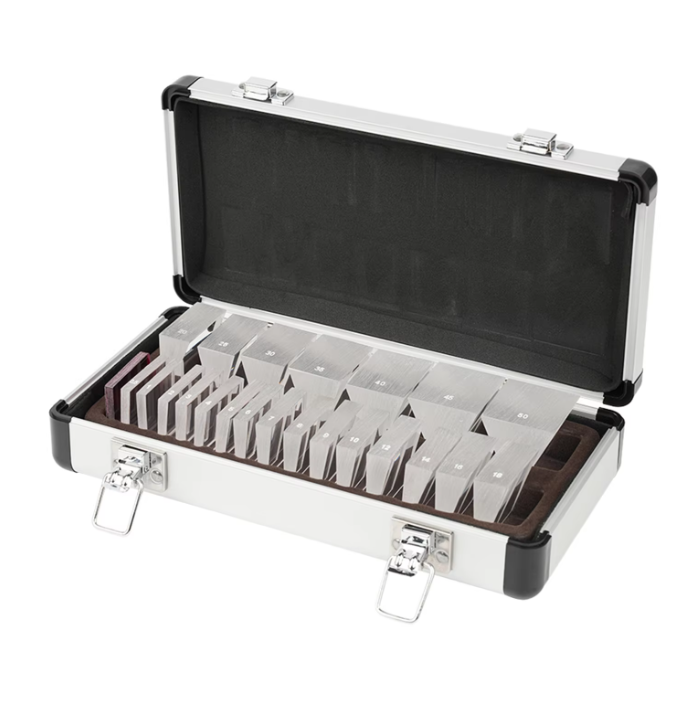
A Prism Box (Loose Prism Lens) contains individual prisms of different powers and base directions.
It is commonly used in binocular vision and strabismus examination.
Main uses:
- Measures ocular deviation
- Helps neutralize strabismus
- Used during prism cover testing
- Helps assess diplopia
- Can be used during prism adaptation testing
- Useful in squint assessment and management
6. RAF Rule
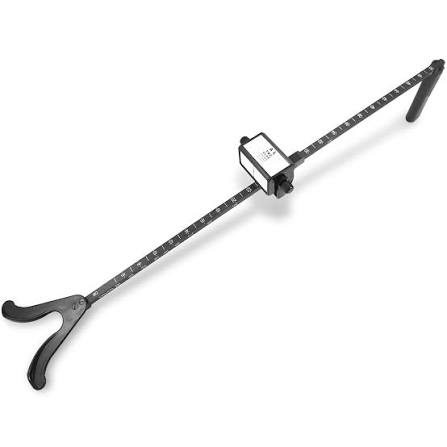
The RAF Rule, also known as the Royal Air Force Rule, is used to assess accommodation and convergence.
It is a simple clinical instrument commonly used during binocular vision examination.
Main uses:
- Measures Near Point of Convergence (NPC)
- Measures Near Point of Accommodation (NPA)
- Measures accommodative amplitude
- Helps evaluate accommodative problems
- Helps monitor vision therapy progress
7. Accommodative Flipper
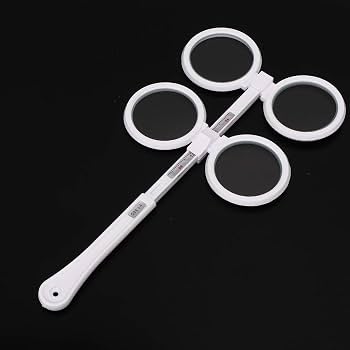
An Accommodative Flipper contains plus and minus lenses.
The patient looks through the plus and minus lenses alternately while trying to keep a target clear.
Main uses:
- Measures accommodative facility
- Checks accommodative flexibility
- Helps identify accommodative problems
- Used in accommodative vision therapy
- Helps train the focusing system
8. Maddox Rod
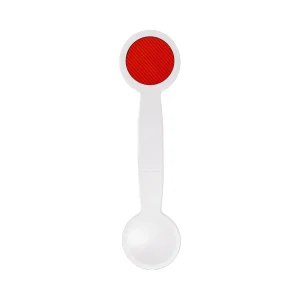
A Maddox Rod is made of a series of parallel cylindrical lenses that change a point of light into a straight line.
It is mainly used to check eye alignment.
Main uses:
- Measures heterophoria
- Helps assess tropia
- Checks horizontal and vertical deviation
- Helps evaluate diplopia
- Helps guide prism prescription
9. Vergence Flipper
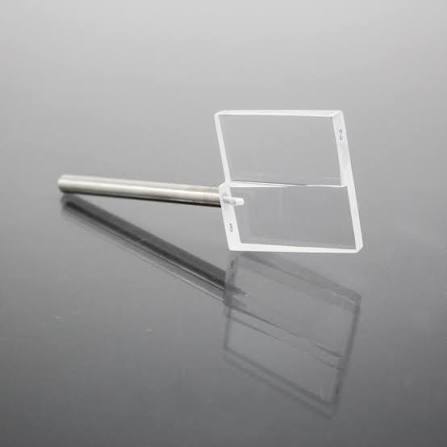
A Vergence Flipper is a diagnostic and vision therapy tool containing base-in and base-out prisms.
It is used to check and improve how quickly the eyes can change convergence and divergence.
Main uses:
- Measures vergence facility
- Assesses binocular vision
- Helps identify vergence problems
- Improves vergence flexibility
- Used during vergence therapy
10. Fixation Stick
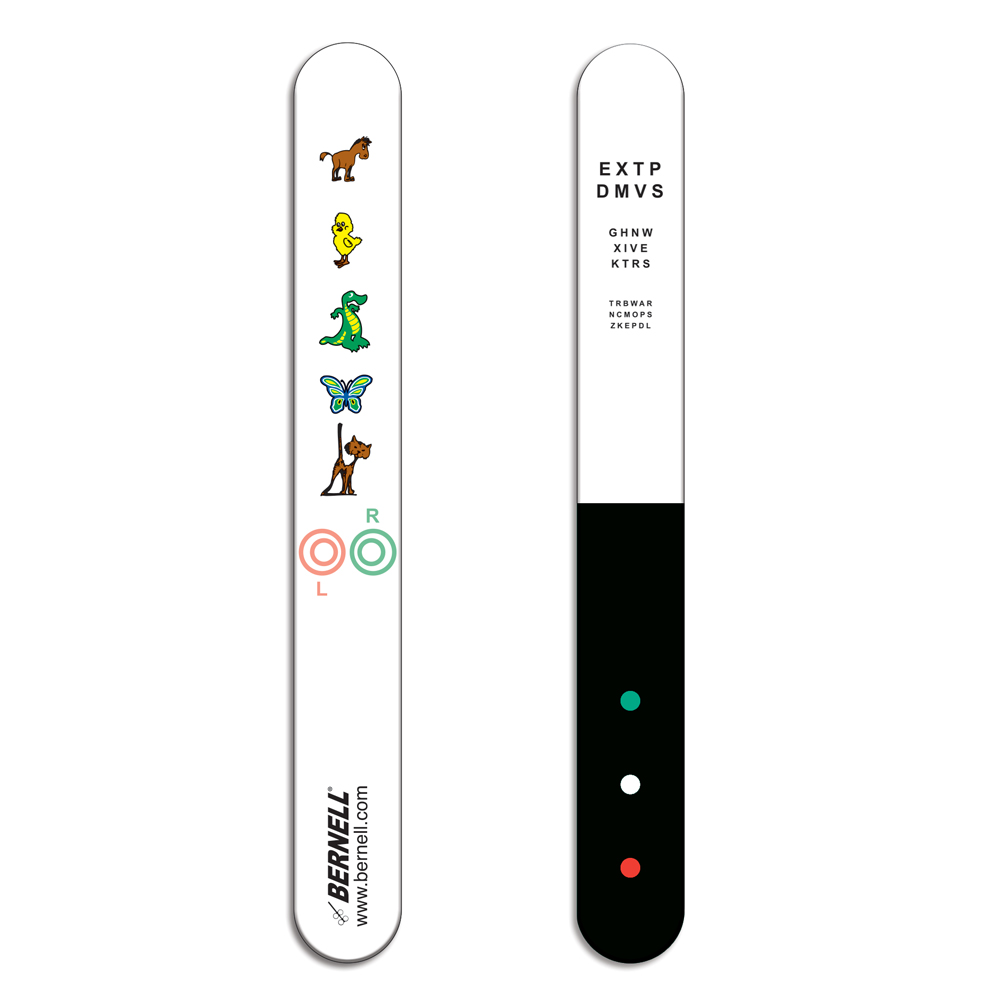
A Fixation Stick is a handheld instrument with different fixation targets.
It is useful for checking accommodation, convergence and eye movement.
Main uses:
- Provides fixation targets
- Helps measure Near Point of Convergence
- Helps assess accommodation
- Used for convergence training
- Helps evaluate eye movements
- Supports vergence therapy
11. Bagolini Striated Glasses
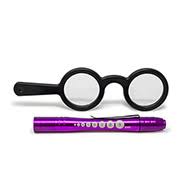
Bagolini Striated Glasses are used to evaluate binocular vision under relatively natural viewing conditions.
They help the examiner understand how both eyes are working together.
Main uses:
- Checks binocular single vision
- Detects suppression
- Detects diplopia
- Assesses retinal correspondence
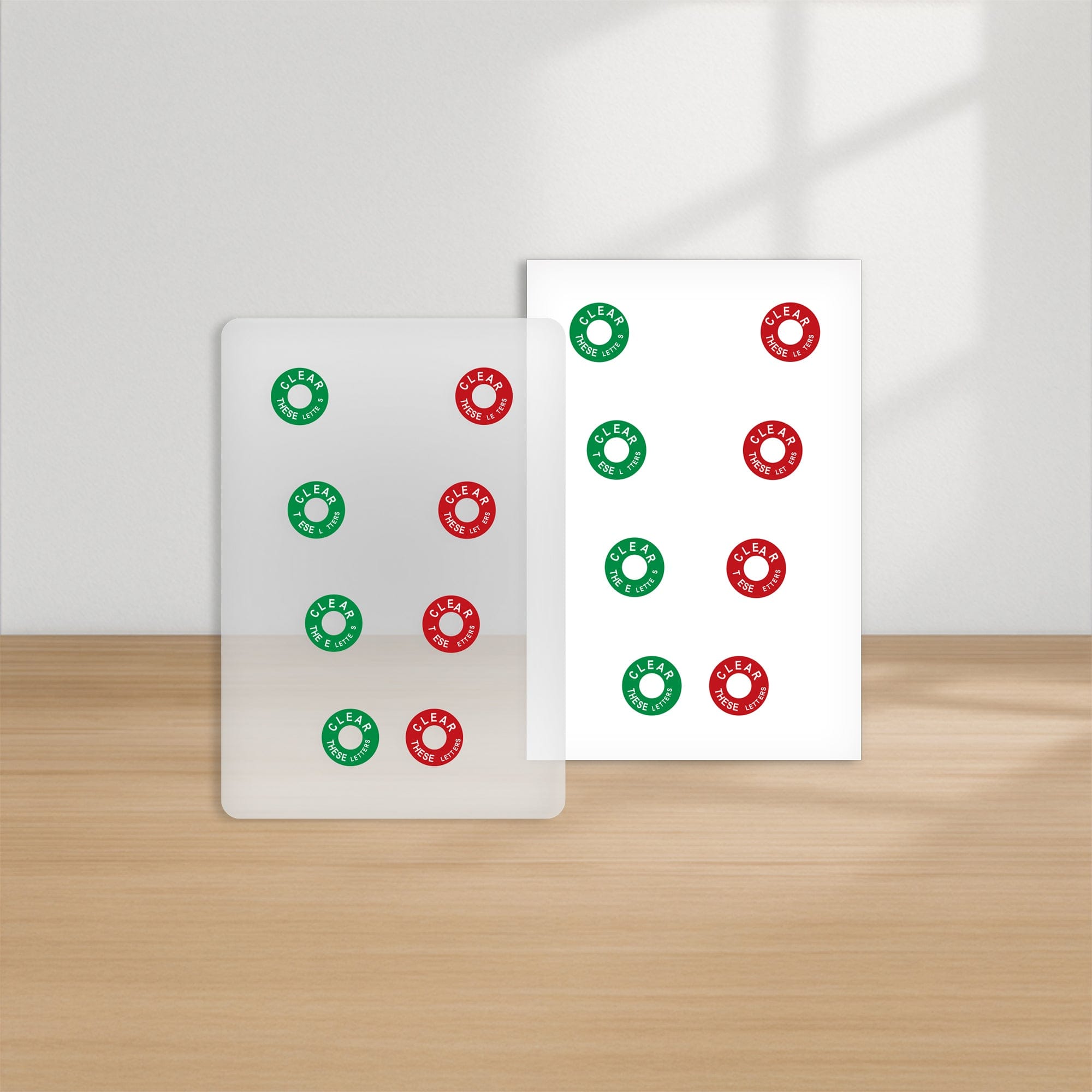
12. Lifesaver Card
A Lifesaver Card is a vision therapy tool used to train convergence, divergence and binocular fusion.
It contains a series of targets that the patient tries to fuse.
Main uses:
- Improves convergence
- Improves divergence
- Improves binocular fusion
- Helps improve stereopsis
- Improves vergence facility
- Develops voluntary vergence control
13. Lens Rack
A Lens Rack contains different powers of plus and minus lenses.
It is used to evaluate and train accommodation and accommodative vergence.
Main uses:
- Helps assess accommodation
- Trains focusing ability
- Improves accommodative flexibility
- Helps train accommodation and vergence together
14. Cat Card
A Cat Card is a simple vision therapy tool used to improve binocular vision and vergence.
Main uses:
- Improves convergence
- Improves divergence
- Improves binocular fusion
- Helps develop stereopsis
- Improves vergence facility
- Develops voluntary vergence control
15. Marsden Ball
The Marsden Ball is a ball suspended from a string and used during vision therapy.
The patient follows the moving ball with the eyes or performs different activities while watching it.
Main uses:
- Improves fixation
- Improves smooth pursuit eye movements
- Improves saccadic eye movements
- Helps train accommodation
- Improves convergence
- Improves eye-hand coordination
- Improves visual attention
- Supports visual-motor integration
16. Aperture Rule
An Aperture Rule is a vision therapy instrument used to train convergence, divergence and binocular fusion.
It usually contains a movable target and apertures positioned along a ruler.
Main uses:
- Improves convergence
- Improves divergence
- Develops fusion
- Increases vergence ability
- Develops awareness of physiological diplopia
- Helps improve accommodative-vergence interaction
- Helps monitor therapy progress
17. Anaglyph
An Anaglyph is a vision therapy and diagnostic tool that uses red-green targets.
Different images are shown to each eye through red-green glasses.
Main uses:
- Checks binocular vision
- Develops binocular fusion
- Helps reduce suppression
- Improves vergence
- Helps improve stereopsis
- Used during vision therapy
18. Accommodative Hart Chart
An Accommodative Hart Chart is used to train the eyes to change focus quickly between different distances.
Usually, one chart is placed at distance and another is held at near.
Main uses:
- Improves accommodative facility
- Helps increase accommodative ability
- Improves focusing accuracy
- Helps train near and distance focusing
- Can help reduce visual strain related to focusing problems
19. Red-Green Bar Reader
A Red-Green Bar Reader is used in binocular vision therapy with red-green glasses.
The red and green filters make different parts of the reading material visible to each eye.
Main uses:
- Improves binocular vision
- Helps improve fusion
- Helps reduce suppression
- Trains simultaneous perception
- Improves sensory fusion
- Supports binocular reading activities
20. Polarized Bar Reader
A Polarized Bar Reader is similar to a red-green bar reader, but it uses polarized filters.
Different information is presented to each eye during reading.
Main uses:
- Improves binocular vision
- Improves sensory fusion
- Helps reduce suppression
- Develops stable binocular coordination
- Helps improve sustained near visual performance
21. Balance Board
A Balance Board, also called a wobble board or rocker board, may be used during vision therapy activities.
It combines visual tasks with balance and body movement.
Main uses:
- Improves visual and balance coordination
- Improves eye-body coordination
- Helps develop visual-motor skills
- Improves balance during visual activities
- Helps maintain fixation while the body is moving
- Improves eye-hand coordination
22. Bernell-O-Scope
The Bernell-O-Scope, also called a Bernelloscope, is a stereoscopic instrument used in vision therapy.
It separates the visual field of each eye and allows the patient to work on binocular vision.
Main uses:
- Helps train eye alignment
- Improves binocular coordination
- Helps develop depth perception
- Helps train stereoscopic vision
- Supports binocular fusion exercises
23. Fresnel Prism
A Fresnel Prism is a thin and flexible plastic prism with very small grooves.
It can be placed on the back surface of a spectacle lens.
Main uses:
- Helps manage double vision
- Can be used in some cases of strabismus
- Shifts the position of the image
- Provides temporary prism correction
- Allows prism power to be changed easily
24. Peg Board
A Peg Board is a rehabilitation and vision therapy tool used to improve eye-hand coordination, fine motor skills and visual tracking.
The patient places and removes pegs while using visual guidance.
Sometimes the activity may also be performed while using red-green glasses or other visual therapy techniques.
Main uses:
- Improves eye-hand coordination
- Improves fine motor skills
- Improves visual tracking
- Improves visual attention
- Supports visual-motor coordination
- Helps retrain hand-eye coordination
25. Yoked Prism
Yoked Prisms are two prisms of the same power placed before both eyes with their bases pointing in the same direction.
For example, both prisms may be base-left, base-right, base-up or base-down.
They shift the visual field in the same direction.
Main uses:
- Changes visual field perception
- Helps work on spatial awareness
- May be used in selected balance activities
- Can be used during visual-motor exercises
- May support selected rehabilitation activities
26. CAM Vision Stimulator
The CAM Vision Stimulator, also known as the Cambridge Vision Stimulator, is a clinical instrument used in amblyopia therapy.
It uses rotating high-contrast patterns while the patient performs visual activities.
Main uses:
- Provides visual stimulation
- Used in selected amblyopia therapy programs
- Uses high-contrast patterns
- Encourages visual attention
- Helps stimulate the weaker eye during controlled therapy
27. Tranaglyph
A Tranaglyph is a vision therapy tool that uses red-green images.
With red-green glasses, each eye sees a slightly different image and the patient tries to combine them into one image.
Main uses:
- Improves convergence
- Improves divergence
- Improves binocular fusion
- Helps reduce suppression
- Develops simultaneous perception
- Helps improve stereopsis
28. Vectogram
A Vectogram uses polarized images and polarized glasses.
Each eye sees a slightly different image, and the patient tries to combine the images into one.
Main uses:
- Trains convergence
- Trains divergence
- Improves binocular fusion
- Helps develop stereopsis
- Helps reduce suppression
- Improves vergence control
29. Red-Green Flipper
A Red-Green Flipper is used during anti-suppression and binocular vision training.
It contains red and green filters that are alternated in front of the eyes.
Main uses:
- Helps reduce suppression
- Improves simultaneous perception
- Develops sensory fusion
- Improves binocular vision
- Encourages both eyes to work together
30. Thorington Card
A Thorington Card is mainly a diagnostic tool rather than a treatment instrument.
It is normally used with a Maddox Rod to measure eye alignment.
Main uses:
- Measures horizontal phoria
- Measures vertical phoria
- Can be used at near or distance
- Helps monitor changes before and after therapy
- Helps in prism assessment
31. GTVT Chart
GTVT stands for Geometrical Target Vision Therapy.
GTVT charts and cards usually contain high-contrast patterns and are commonly used with red-green glasses.
Main uses:
- Helps reduce suppression
- Encourages both eyes to work together
- Improves binocular vision
- Develops simultaneous perception
- Improves sensory fusion
- Used during anti-suppression exercises
32. Cheiroscope
A Cheiroscope is an optical stereoscopic instrument that presents a separate image to each eye while the patient performs a drawing or tracing activity.
This helps the patient use both eyes while coordinating vision with hand movement.
Main uses:
- Helps both eyes work together
- Helps reduce suppression
- Used in selected amblyopia therapy activities
- Improves eye-hand coordination
- Improves visual-motor coordination
- Develops binocular perception
33. Saccadic Stick
A Saccadic Stick is a vision therapy tool used to improve quick and accurate eye movements from one target to another.
These fast eye movements are called saccades.
Main uses:
- Improves saccadic accuracy
- Improves speed of eye movements
- Improves visual scanning
- Supports reading-related eye movements
- Improves eye-hand coordination
34. Walking Rail
A Walking Rail is a physical tool used during selected vision therapy and rehabilitation activities.
The patient walks along the rail while performing visual tasks such as looking at targets, tracking objects, using peripheral vision or catching and passing objects.
It combines balance with visual attention and body movement.
Main uses:
- Improves balance
- Improves spatial awareness
- Improves visually guided movement
- Develops peripheral awareness
- Improves eye-body coordination
- Helps visual and vestibular coordination
- Improves timing and motor control
- Helps improve core stability during visual activities
Why Are These Instruments Used in Vision Therapy?
Our eyes do much more than simply see clearly.
For comfortable vision, both eyes need to focus, move, align and work together properly. Problems with these functions can affect convergence, accommodation, depth perception, eye movement and binocular vision.
Different instruments are therefore used for different purposes.
For example, a RAF Rule can be used to measure convergence and accommodation, while a Brock String or Vergence Flipper may be used during convergence and vergence training.
A Worth Four Dot Test helps check fusion and suppression, while a Stereoacuity Chart checks depth perception.
Tools such as the Marsden Ball, Peg Board and Walking Rail can also be used during visual-motor and eye-hand coordination activities.
Conclusion
Vision therapy includes many different instruments used for assessment, training and rehabilitation.
Some instruments, such as the Prism Bar, Maddox Rod, Worth Four Dot Test, RAF Rule and Stereoacuity Chart, are mainly useful for clinical assessment.
Other tools, including the Brock String, Accommodative Flipper, Vergence Flipper, Aperture Rule, Vectogram and Tranaglyph, are commonly used during vision therapy exercises.
Visual-motor tools such as the Marsden Ball, Peg Board, Balance Board and Walking Rail may also be included depending on the patient’s needs.
The type of instrument used should depend on the patient’s visual problem and the findings of a proper eye and binocular vision examination.
Clinics and professionals looking to set up or expand their vision therapy services may also find specialized vision therapy instruments and clinical tools through Eagle Eye Ophthalmic Enterprises Pvt. Ltd.
